Donation Basics: Step-By-Step
Taking The Hassle Out Of The Process
Gracias por estar aquí.
Hoy por ti, mañana por mí.



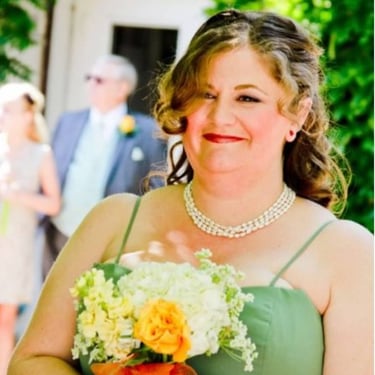

Donation Overview: Three Steps
1 . GO ONLINE. Fill out a 15-minute online questionnaire about your health background for evaluation by Northwestern.
2. GET TESTED. Complete medical screening tests at Northwestern in one day. It's that simple.
3. RECOVERY AFTER SURGERY. After 1-2 nights at the hospital, Northwestern Medicine handles your early recovery and follow-up, and your primary care doctor manages routine long-term checkups.
Donation Details
Step 1 - Complete the Donor Evaluation (15 minutes)
Fill out a 15- minute online questionnaire about your health history. This helps the transplant team determine whether it makes sense to proceed with testing.
If the questionnaire looks promising, a transplant nurse will contact you within a few days to:
• Review your medical history
• Answer your questions
• Schedule testing
This conversation is confidential and does not commit you to donating.
Step 2 - Testing and Review
Northwestern created a process to complete much of your testing in half a day to one full day, reducing multiple visits and minimizing disruption to your schedule. Tests include:
• CT Scan
• Chest X-ray
• EKG
• Labs
• Education session, Q&A
• Meetings with Transplant Team
Evaluation by Northwestern takes 4–6 weeks as the transplant team carefully reviews all test results before final approval. This careful review exists for one reason: to ensure donation is safe for the donor. If testing looks good, you meet with the transplant team for a comprehensive final review. This includes:
• Medical evaluation
• Psychosocial evaluation
• Financial counseling
• Discussion of risks and recovery
The transplant team’s job is simple: protect the health and well-being of the donor. Here is your medical team:
• Transplant surgeon
• Transplant physician
• Nurse coordinator
• Living donor advocate
• Social worker
• Dietitian
• Pharmacist
• Financial counselor
You will always have someone available on the Donor Team to answer questions at Northwestern Medicine. And if any health issue raises concern to them, you will not be approved because they prioritize your health.
Step 3 - Recovery
After surgery and discharge, most donors return to normal activities within 7-10 days or so, but as with any surgery, recovery time is based on your overall health and strength prior to surgery and the physical requirements of your job. For example, if you work in construction, your time to full recovery based on the physical demands of your job may require more healing time. If you have an office-type job, the recovery time may be less. Your medical team will provide specific guidance for your specific situation before and after surgery. Here is a good rule of thumb:
• 1–3 nights in the hospital
• 1–2 weeks recovery at home
In the first days and weeks, like most major surgeries, the focus is on pain control, walking, bowel recovery, wound healing, hydration, and making sure there are no early complications. Here are specific post-surgery guidelines for regular checkups with your surgical team at Northwestern Medicine:
• 2 Week - in-person visit with the transplant surgeon to check incision healing and overall recovery
• 6 Month - comprehensive check-in involving blood and urine tests to monitor kidney function
• 1 Year - Annual evaluation including lab work and a physical exam
• 2 Year - The final mandated follow-up with the transplant center
Then, do regular check-ups with your PCP during annual physicals.
A Deep Dive on Donor Matching Criteria
What does "matching" actually mean?
There are three levels of "matching" between a recipient and donor:
1) blood typing (O, AB, A and B) - determines which donor blood types are medically compatible with the recipient
2) tissue typing - measures genetic markers that may affect transplant compatibility and long-term kidney function
3) cross-matching - checks whether the recipient’s immune system is likely to attack the donor kidney.
The percentages below show the approximate share of the population compatible with each recipient blood type:
• O from O only — 45–48%
• B from B or O — 55–64%
• A from A or O — 78–85%
• AB from A, B, AB, or O — 100%
Wait times for a compatible kidney are roughly correlated with the percentage above.
Tissue typing examines 6 to 12 genetic markers or "antigens" which are part of the Human Leukocyte Antigen (HLA) system, a group of proteins on your cell surfaces that your immune system uses to distinguish your own tissue from foreign invaders. Humans have over 100 antigens, but 6 are usually prioritized for organ transplant compatibility.
Crossmatching is the last key compatibility check before donation. In the lab, the donor’s blood is tested against the recipient’s blood to see whether the recipient has antibodies that would react against that specific donor. Blood type and tissue matching help estimate compatibility, but the crossmatch shows whether the recipient’s immune system is likely to attack the donated kidney right away.
A real kidney donor explains her journey with Northwestern Medicine

Watch a top Northwestern surgeon explain the living kidney donation surgery process

Meet Northwestern's Kidney Transplant Doctors

Watch a Donor Describe Her Experience