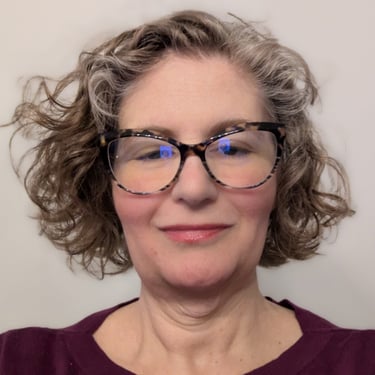
In mid-2023, I found out my insurance was finally being accepted at Northwestern Medicine, so I changed from my previous doctor’s office and waited four months for a new patient appointment. I was first seen in November 2023. Within a month, I was diagnosed with high blood pressure, and in December my doctor told me I needed to see a nephrologist as soon as possible. That was the beginning of everything changing.
Just after the new year, I had imaging on my kidneys and met with two kidney specialists in January 2024. They told me I had chronic kidney disease. By the end of February 2024, I had gone through a series of blood tests and a kidney biopsy to find out what kind of kidney disease I had and what was causing it. The biopsy led to a diagnosis of FSGS — focal glomerular sclerosis — which means scarring in my kidneys is damaging the filters and reducing how well they work. No specific cause for it was ever found. I was told the damage could not be reversed, only slowed down.
So I did everything I could to fight back. I asked for help from a nutritionist and dietitian. I changed parts of my lifestyle and changed my diet. I even became a vegetarian, and for a while that helped improve my kidney function a little. But only for a few months. By mid-December 2024, I was told it was time to seriously consider a kidney transplant. Soon after, I was approved and placed on the transplant waiting list.
This has been fast, exhausting, and emotionally hard. I hate that there is no cure and that the damage is considered irreversible. I have tried to stay positive, but the truth is that this illness has changed what daily life feels like. I get tired more easily than I used to. My world has gotten smaller. Things I love — travel, freedom of movement, seeing people I care about, making plans without thinking about my health first — do not feel simple anymore. In my own words, a transplant would mean freedom and the possibility of a future.
What keeps me going is the people I love. My family and friends give me hope and a reason to keep fighting. I also know transplant can work. Through Organ Transplant Support, where I volunteer as a bookkeeper, I have met transplant recipients and learned from people who are living full lives after transplant. That has helped me keep believing that a second chance is possible.
If I receive a kidney transplant, I am not dreaming about anything extravagant. I am hoping for the chance to live fully again — to travel, reconnect with people I love, rebuild my strength and stamina, and have the freedom to do the things I used to enjoy without my kidneys deciding what is possible. If you are willing to consider becoming a donor, you would be giving me so much more than an organ. You would be giving me the chance to keep living my life.